

Rest Confident, Your Money is Safe and Secure at Kirtland Credit Union, a message from our President & CEO. Learn More
Mobile Check Deposit is Temporarily Unavailable. We apologize for the inconvenience.
All Kirtland CU branches and locations will be closed on Monday, October 12 in observance of Indigenous Peoples’ Day.
If you have been financially impacted by the wildfires in Arizona, Colorado, and New Mexico, we’re ready to work with you on personalized solutions.
Contact us today at (800) 880-5328 to learn how we can help.
Our Los Lunas branch is temporarily closed this morning. If you need in-branch banking services, please visit any of our other Kirtland CU branches.
If you may experience financial hardship related to the government shutdown, we’re here to help. Contact us at 1.800.880.5328 for assistance, and click here to see how we are standing with you.
If you are experiencing financial hardship related to the government shutdown, we’re here to help. Click here to see how we are standing with you.
Use caution if you receive a call, email, or text message that appears to be from Kirtland Credit Union. Don’t click on links or call phone numbers in unsolicited messages. Remember: We will NEVER ask for your online banking access codes, credentials or for you to transfer money.
Use caution if you receive a call, email, or text message that appears to be from Kirtland Credit Union. Remember: We will NEVER ask for your debit card number, PIN or CVV code.
Chat Temporarily Unavailable: We’re currently experiencing issues with our chat service in Digital Banking. For immediate assistance, please call us or visit your nearest branch. We apologize for the inconvenience.
ROUTING NUMBER: 307070050
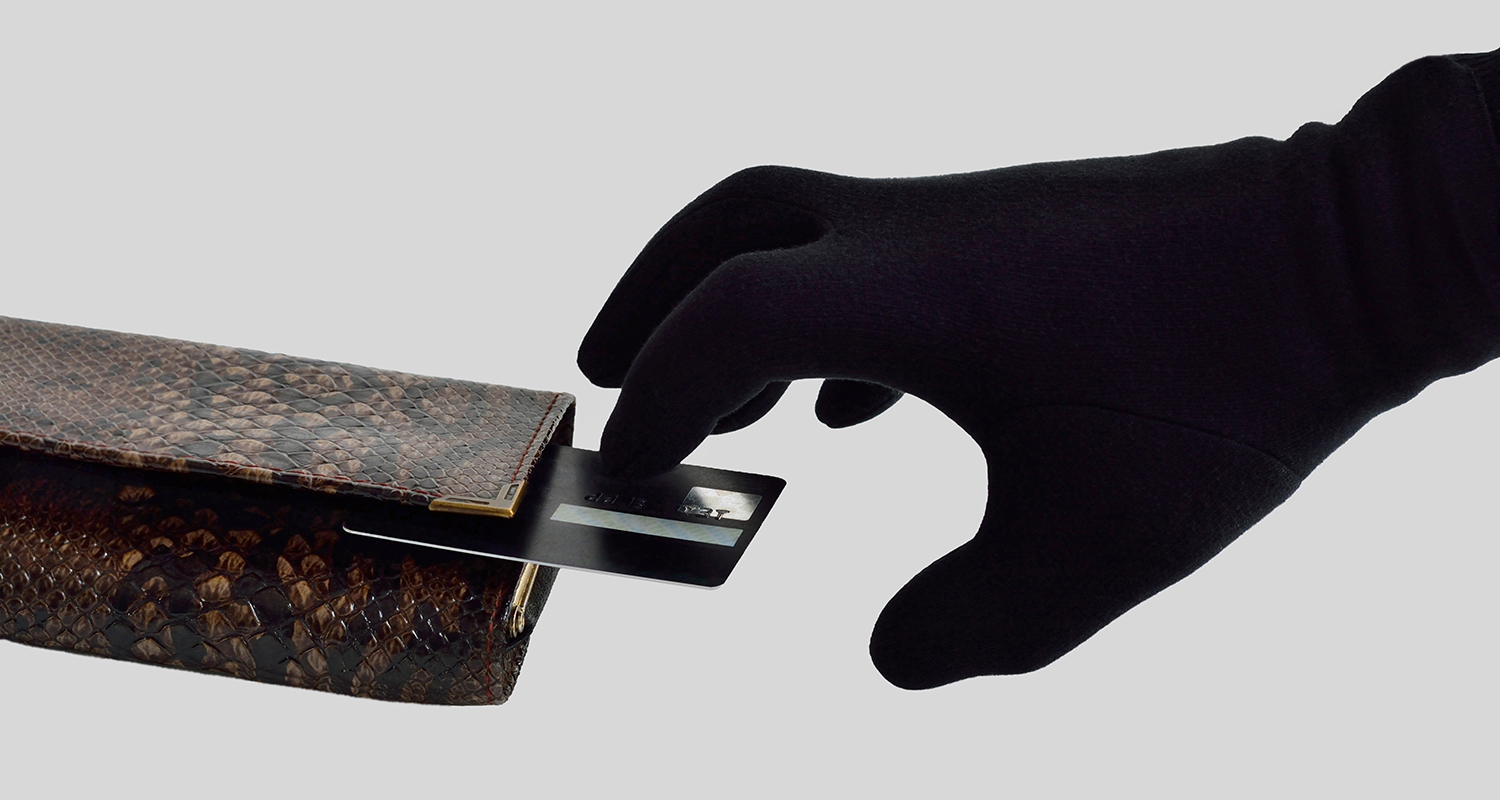
Bank account scams are one of the most basic types of fraud, aiming to acquire money or personal information, and have been around as long as accounts have been accessible. From emails claiming to be from financial institutions to phone calls alleging to be law enforcement, fraudsters will try almost anything to get your information in their hands – staying vigilant and knowing what to look for can help you protect your savings from nefarious scammers.
They come in many forms, but they all follow the same basic framework: they call you with claims of a problem with your account and try to convince you to provide your information in order to resolve the problem. Oftentimes the call will be from a spoofed phone number meant to look like the phone number of the institution they are claiming to be with, and they may use automated voices with pleasant, welcoming tones to lower your guard against being fooled.
If a call is unsolicited, that is a red flag. If the caller employs high-pressure tactics to try to get you to act, that is another red flag. Take your time and don’t get pressured into making a spot decision – verify any claims by directly contacting the company through their publicly-available phone number or website.
With cellular phones, voice calls aren’t the only means of attempted scam communications. Text messages can find their way to your phone, with many of the same forms that phone scams employ – from promises of winning a prize, to threats if you don’t pay a supposed fine.
The best way to avoid being impacted by text message scams is to not interact with them directly. Interacting with a message signals that you’re an active phone number, and therefore a potential victim – if not via text, perhaps via voice call. If you have any questions about the authenticity of a communication, follow up with the company directly, not through any phone number or link provided in the text message.
Finally, you can delete the message and report it as spam – it may not stop all scam texts, but it will block the number from your phone and will signal to providers that the number should be monitored and filtered.
Email scams are ubiquitous in today’s world, as scammers try to catch users off-guard and trick them into providing their account access, whether through logging in to a look-alike website or by delivering malware to a victim’s device to collect their passwords or log their keystrokes.
As with phone and text scams, the most important step to avoid being impacted by phishing scams is vigilance. Don’t click on links or download attachments in emails that you were not expecting, and if you have any questions about the legitimacy of a communication, follow up with the company directly via their public website or customer service phone number – not through a link, email address, or phone number listed in the email you’ve received.
Unsolicited communications aren’t the only potential danger when it comes to bank account scams – debit and credit card information can be stolen through data breaches or even physically cloning your card. Credit card skimmers – small devices placed over legitimate card readers – can capture your card’s information when you swipe, allowing scammers to copy your card data and use it to make fraudulent transactions. They are generally found on ATMs, gas stations, and retail stores’ point-of-sale terminals.
Inspect card readers for anything unusual before using them – if there are mismatched materials like different colored plastic or misaligned card slots, that can be an indication that a skimmer is in place.
Skimmers generally read information from the magnetic stripe on your card – using the EMV chip or contactless (tap-to-pay) options where available can eliminate the risk of falling victim to a card skimmer.
Look for issues common with scam communications. Some banking scams are very difficult to differentiate from legitimate communications, but most scams have tell-tale signals. If you notice misspelled copy in a text message or email, or low-quality graphics like blurry images or poorly-cropped logos, that is often a sign that the communication wasn’t made by a professional at a legitimate financial institution, but an amateur scam artist trying to trick you into engagement.
Don’t click on suspicious links. If you get an email or text asking you to log in, verify your information, or act immediately, don’t click on the provided links. Go directly to the company’s official website or mobile app for any logins.
Don’t move money to “protect it”. Never transfer or send money to anyone, no matter who they say they are, in response to an unexpected call or message, even if they are claiming to “protect it”.
Verify any unsolicited communication. Contact the company or agency that the message claims to be from, directly with a verified phone number or website. Don’t trust what the message provides as a phone number or link for communication – always use a verified phone number and confirm that the message is legitimate.
Block or report unwanted calls. You can’t be fooled by an illegitimate call if the call never makes it to your phone. You can use call-blocking apps on your smartphone to make sure that scam calls are blocked, or that any which get through can be easily reported. You can report suspicious phone numbers to the FTC and add your phone number to the National Do Not Call Registry at DoNotCall.gov.
Never give away personal information. Legitimate companies won’t ask for your personal information as part of an unsolicited communication. A good rule to follow is to never give your personal information to anyone who asks for it unless you are completely certain who they are.
Sources:
https://www.sharonview.org/resources/security-center/scam-watch/card-skimmers
https://www.bankrate.com/banking/common-types-of-bank-account-fraud/
https://consumer.ftc.gov/features/how-avoid-imposter-scams
https://consumer.ftc.gov/articles/how-block-unwanted-calls

Save 0.75% off our already low auto refinance rates and enjoy 90 days without payments when you apply before November 30, 2026.