

Rest Confident, Your Money is Safe and Secure at Kirtland Credit Union, a message from our President & CEO. Learn More
Mobile Check Deposit is Temporarily Unavailable. We apologize for the inconvenience.
All Kirtland CU branches and locations will be closed on Monday, October 12 in observance of Indigenous Peoples’ Day.
If you have been financially impacted by the wildfires in Arizona, Colorado, and New Mexico, we’re ready to work with you on personalized solutions.
Contact us today at (800) 880-5328 to learn how we can help.
Our Los Lunas branch is temporarily closed this morning. If you need in-branch banking services, please visit any of our other Kirtland CU branches.
If you may experience financial hardship related to the government shutdown, we’re here to help. Contact us at 1.800.880.5328 for assistance, and click here to see how we are standing with you.
If you are experiencing financial hardship related to the government shutdown, we’re here to help. Click here to see how we are standing with you.
Use caution if you receive a call, email, or text message that appears to be from Kirtland Credit Union. Don’t click on links or call phone numbers in unsolicited messages. Remember: We will NEVER ask for your online banking access codes, credentials or for you to transfer money.
Use caution if you receive a call, email, or text message that appears to be from Kirtland Credit Union. Remember: We will NEVER ask for your debit card number, PIN or CVV code.
Chat Temporarily Unavailable: We’re currently experiencing issues with our chat service in Digital Banking. For immediate assistance, please call us or visit your nearest branch. We apologize for the inconvenience.
ROUTING NUMBER: 307070050
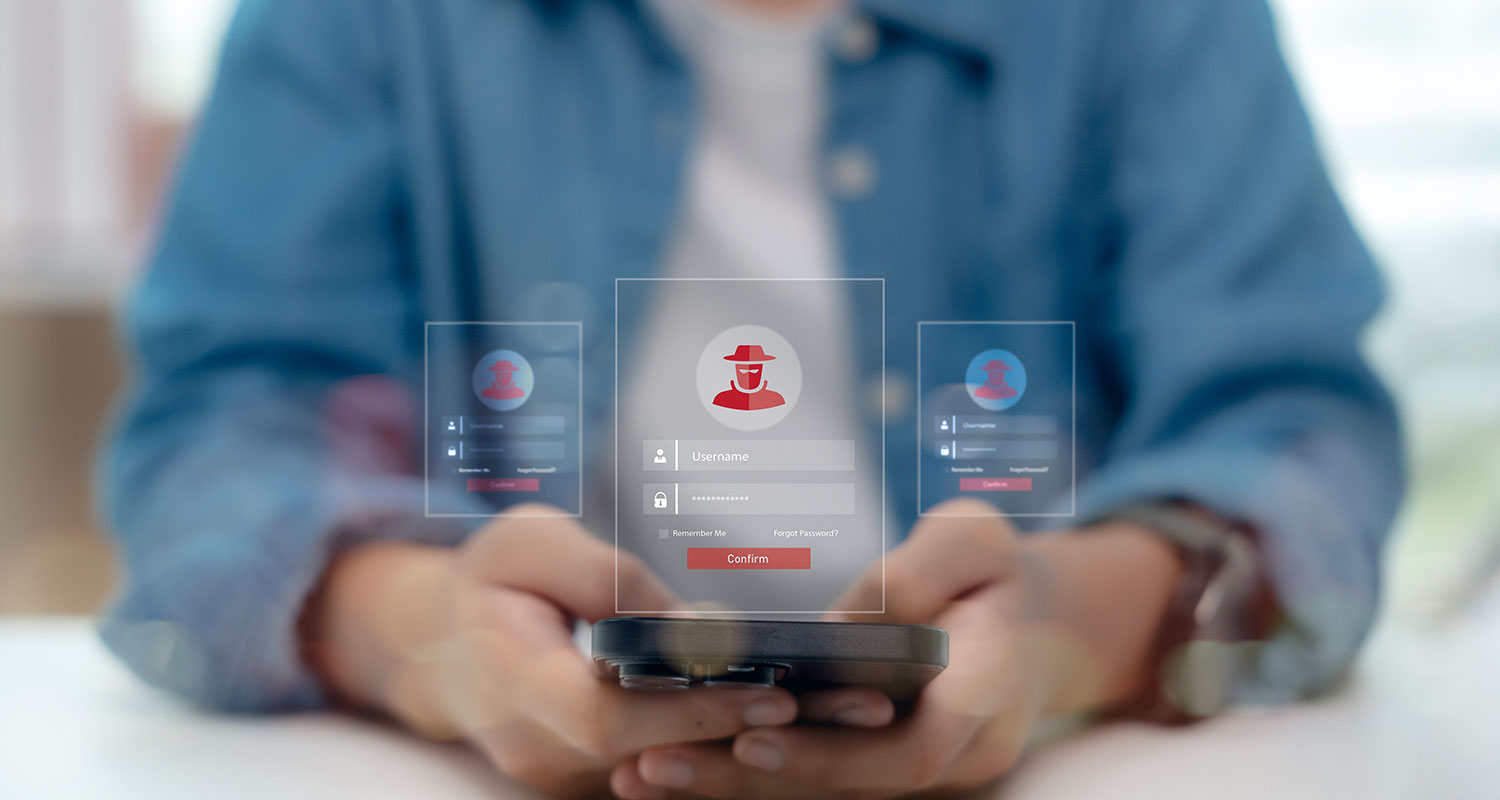
Identity Theft Awareness Week is coming soon (January 26-30, 2026) – but it’s never too early to learn what steps you can take to protect yourself against this insidious threat against your personal information and safeguard your digital and financial lives.
What is identity theft? Simply put, it’s when someone uses your personal or financial information without your permission. That information might be your name and address, your bank account or credit card numbers, or even your Social Security number, and it can be used to open financial accounts, credit cards, and utility accounts in your name, make unauthorized purchases, or steal tax refunds.
How can you tell if someone has stolen your identity? There are some simple preventive measures you can take to discover identity theft and cut it off before additional harm is incurred:
If you stop receiving bills, it could be a sign that someone changed your billing address and could be misusing your account or information. Know when your bills are meant to arrive, and act when they don’t.
Regularly review bank and credit card statements for suspicious activity. Charges for things you didn’t buy, withdrawals you didn’t make, or the arrival of an unexpected bill or invoice could be a sign of identity theft.
You can get your credit report for free (once per year) from each of the three nationwide credit bureaus (Equifax, Experian, and TransUnion) by going to AnnualCreditReport.com or calling 1-877-322-8228. Review these reports for any accounts you don’t recognize, and work with credit reporting companies and business providing the information to correct the error.
Here’s how you can protect yourself against identity theft and safeguard your personal information:
A credit freeze keeps people from getting into your credit report, and makes sure no one can open a new credit account without the freeze being lifted. It’s free to place a credit freeze, and easy to lift when needed – to do this, you’ll need to contact each of the three nationwide credit bureaus individually: Experian, Equifax, and TransUnion.
A fraud alert tells businesses to check with you before opening a new account in your name, usually by contacting you directly. You can place a free one-year fraud alert through any of the three nationwide credit bureaus; that bureau must tell the other two about the alert.
Electronic statements are more secure than paper statements, but if you have any paper statements, shred them before disposal, and keep any essential financial documents in locked storage. If you do receive paper statements by mail, take your mail out of the mailbox as soon as possible to avoid theft.
Some organizations may need your Social Security number to identify you, such as the IRS, your financial institutions, or your employer. However, they won’t call, email, or text you to ask for it. If anyone contacts you asking for your personal information, be vigilant and be careful.
When logging in to an online account, use a strong, unique password. A password manager like 1Password can help generate and organize these for you, so you’ll only need to remember your master password for your password manager.
If accounts offer multi-factor authentication (like one-time passcodes or text message verification), turn it on for extra security – but don’t share your passcodes to anyone who asks! Doing so defeats the purpose of multi-factor authentication – even if someone has your username and password, they can’t get in without the next level of verification.
Our Fraud Awareness and Prevention Center has resources to inform you how to protect yourself against identity theft and fraud, how to spot potential scams so you can avoid being impacted, and how to report fraud when you have been targeted.
The Federal Trade Commission has online resources specifically centered around Identity Theft Awareness Week, as well as a comprehensive Identity Theft website to help you formulate a recovery plan and put that plan into action.

Save 0.75% off our already low auto refinance rates and enjoy 90 days without payments when you apply before November 30, 2026.