

Rest Confident, Your Money is Safe and Secure at Kirtland Credit Union, a message from our President & CEO. Learn More
Mobile Check Deposit is Temporarily Unavailable. We apologize for the inconvenience.
All Kirtland CU branches and locations will be closed on Monday, May 25 in observance of Memorial Day.
If you may experience financial hardship related to the government shutdown, we’re here to help. Contact us at 1.800.880.5328 for assistance, and click here to see how we are standing with you.
If you are experiencing financial hardship related to the government shutdown, we’re here to help. Click here to see how we are standing with you.
Use caution if you receive a call, email, or text message that appears to be from Kirtland Credit Union. Don’t click on links or call phone numbers in unsolicited messages. Remember: We will NEVER ask for your online banking access codes, credentials or for you to transfer money.
Chat Temporarily Unavailable: We’re currently experiencing issues with our chat service in Digital Banking. For immediate assistance, please call us or visit your nearest branch. We apologize for the inconvenience.
ROUTING NUMBER: 307070050
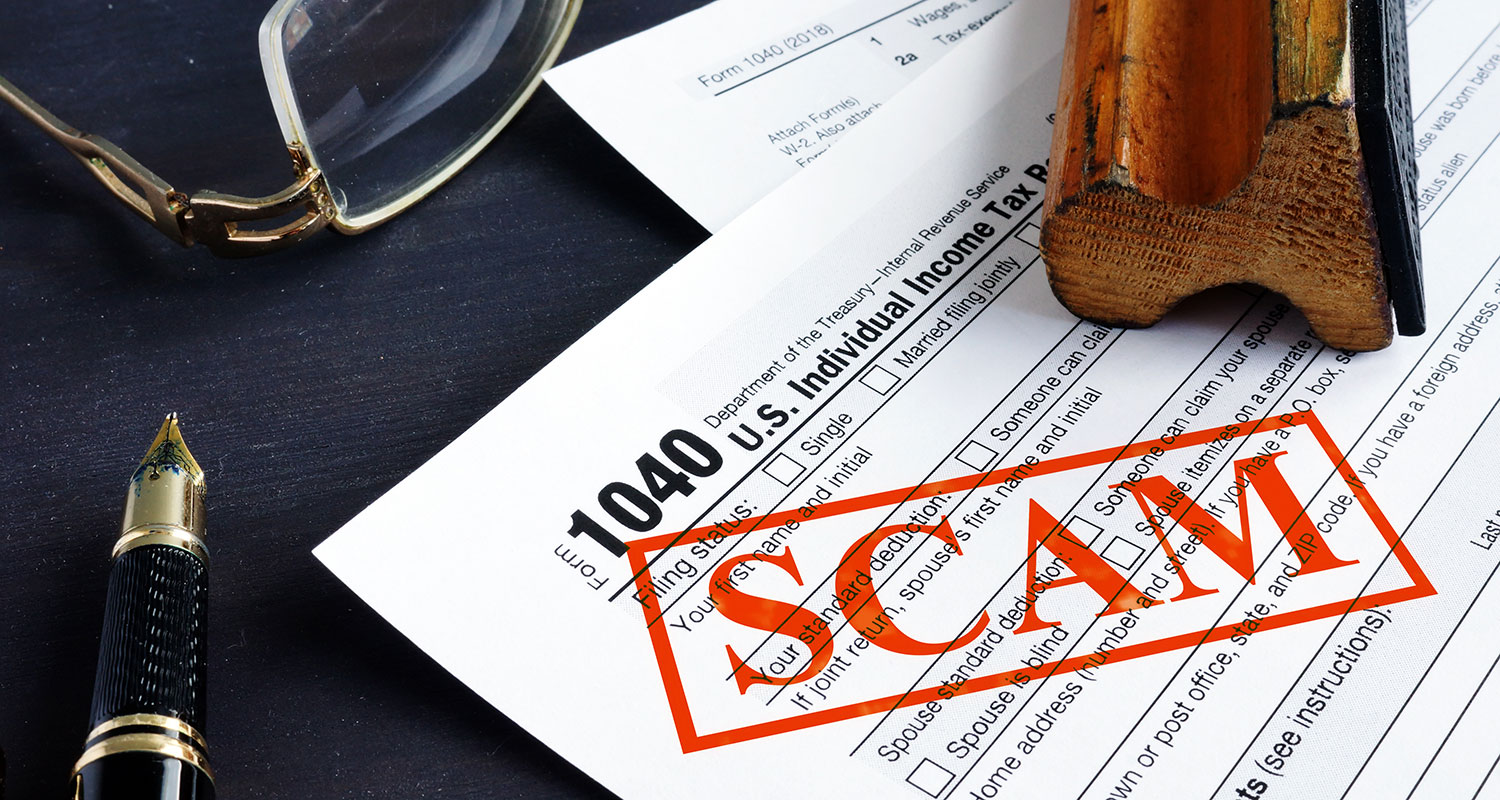
Even though Tax Deadline Day is April 15th, tax filing season is underway – and with tax filing season comes tax-related scams that can claim your refunds and compromise your identity if you aren’t vigilant. Here are some of the most common tax scams to look out for:
One of the most common tax scams are phone calls claiming to be from a government agency or other official-sounding entity, stating that you owe back taxes, offering to connect you with a “tax resolution officer” who can perform a check-up on your credit and help you apply for an “IRS liability reduction program”. They may try to project a false sense of urgency to this issue in an attempt to get you to provide your information right away.
If someone is reaching out to you by phone asking for your personal or financial information, it is likely to be a scammer trying to access your bank accounts or steal your identity. If you need to know if a query is legitimate, follow up with the IRS directly with a phone number found on the IRS website – never with a phone number given in a message you aren’t expecting.
Scammers aren’t limited to phone calls – they frequently try sending emails or text messages to targets that are designed to appear to come from the IRS or a similar authority. These message may claim you’re eligible for a tax refund, or that your account is locked and under review – in either case, immediate action is required, and if you provide your personal information or bank account, they can take care of you right away.
Don’t fall for these ploys – links in phishing and smishing attacks often lead to fraudulent websites designed to steal your personal or financial information. Don’t click on suspicious links in messages you aren’t expecting.
This is when a scammer files a tax return using your name and Social Security number to collect your refund – and you may not realize you’re a victim until after you’ve filed your tax return and receive a notice from the IRS about the duplicate. You can prevent this by setting up an identity protection PIN through the IRS – without the PIN, no one can file a return under your Social Security number or individual taxpayer identification number.
Note: The IRS will never ask for your identity protection PIN – so if you receive a communication requesting it, that is a scam.
A “ghost” tax preparer is a fraudster who poses as a legitimate tax preparer – they regularly offer to handle clients’ taxes for a fee, promising fast service and large refunds. Individuals or services promising unusually large refunds or access to “secret” deductions that can save you money are red flags that should be avoided. At best, they lack the proper credentials and experience to properly file your taxes; at worst, they may falsify your returns and pocket your refund. Use a reputable, credentialed tax professional and verify their qualifications before sharing your information.
Remember, the IRS or state tax office will not reach out to you by text, email, or on social media to get your information. The IRS typically contacts individuals by mail delivered by the U.S. Postal Service as an initial notice.
Never click on links in emails or text messages you receive that you didn’t expect. If you want to verify that a request is legitimate, go to IRS.gov and contact the IRS directly.
Report and delete any suspicious messages you receive. You can use your phone’s “Report Junk” option or forward unwanted texts to 7726 (SPAM) to help your wireless carrier spot and block similar messages in the future. For emails, you can mark them as spam or junk mail through your email service. You can also report abusive tax schemes by completing IRS Form 14242: Report Suspected Abusive Tax Promotions or Preparers.
Finally, don’t forget about our Fraud Prevention & Awareness Center – fraud doesn’t only happen during tax season, it’s a year-round concern, and we have tips and tricks to follow to protect yourself whenever fraudsters and scammers strike.
Sources:
https://www.cbsnews.com/news/income-tax-return-refund-scam-phishing-smishing/
https://consumer.ftc.gov/consumer-alerts/2026/01/text-or-email-about-your-tax-refund-scam
https://www.irs.gov/help/how-to-know-its-the-irs
https://www.irs.gov/newsroom/when-preparing-to-file-taxes-keep-an-eye-out-for-scams

Save 0.50% off our already low auto refinance rates and enjoy 60 days without payments when you apply before May 31, 2026.