

Rest Confident, Your Money is Safe and Secure at Kirtland Credit Union, a message from our President & CEO. Learn More
Mobile Check Deposit is Temporarily Unavailable. We apologize for the inconvenience.
All Kirtland CU branches and locations will be closed on Saturday, July 4 in observance of Independence Day.
If you have been financially impacted by the wildfires in Arizona, Colorado, and New Mexico, we’re ready to work with you on personalized solutions.
Contact us today at (800) 880-5328 to learn how we can help.
Our Los Lunas branch is temporarily closed this morning. If you need in-branch banking services, please visit any of our other Kirtland CU branches.
If you may experience financial hardship related to the government shutdown, we’re here to help. Contact us at 1.800.880.5328 for assistance, and click here to see how we are standing with you.
If you are experiencing financial hardship related to the government shutdown, we’re here to help. Click here to see how we are standing with you.
Use caution if you receive a call, email, or text message that appears to be from Kirtland Credit Union. Don’t click on links or call phone numbers in unsolicited messages. Remember: We will NEVER ask for your online banking access codes, credentials or for you to transfer money.
Chat Temporarily Unavailable: We’re currently experiencing issues with our chat service in Digital Banking. For immediate assistance, please call us or visit your nearest branch. We apologize for the inconvenience.
ROUTING NUMBER: 307070050
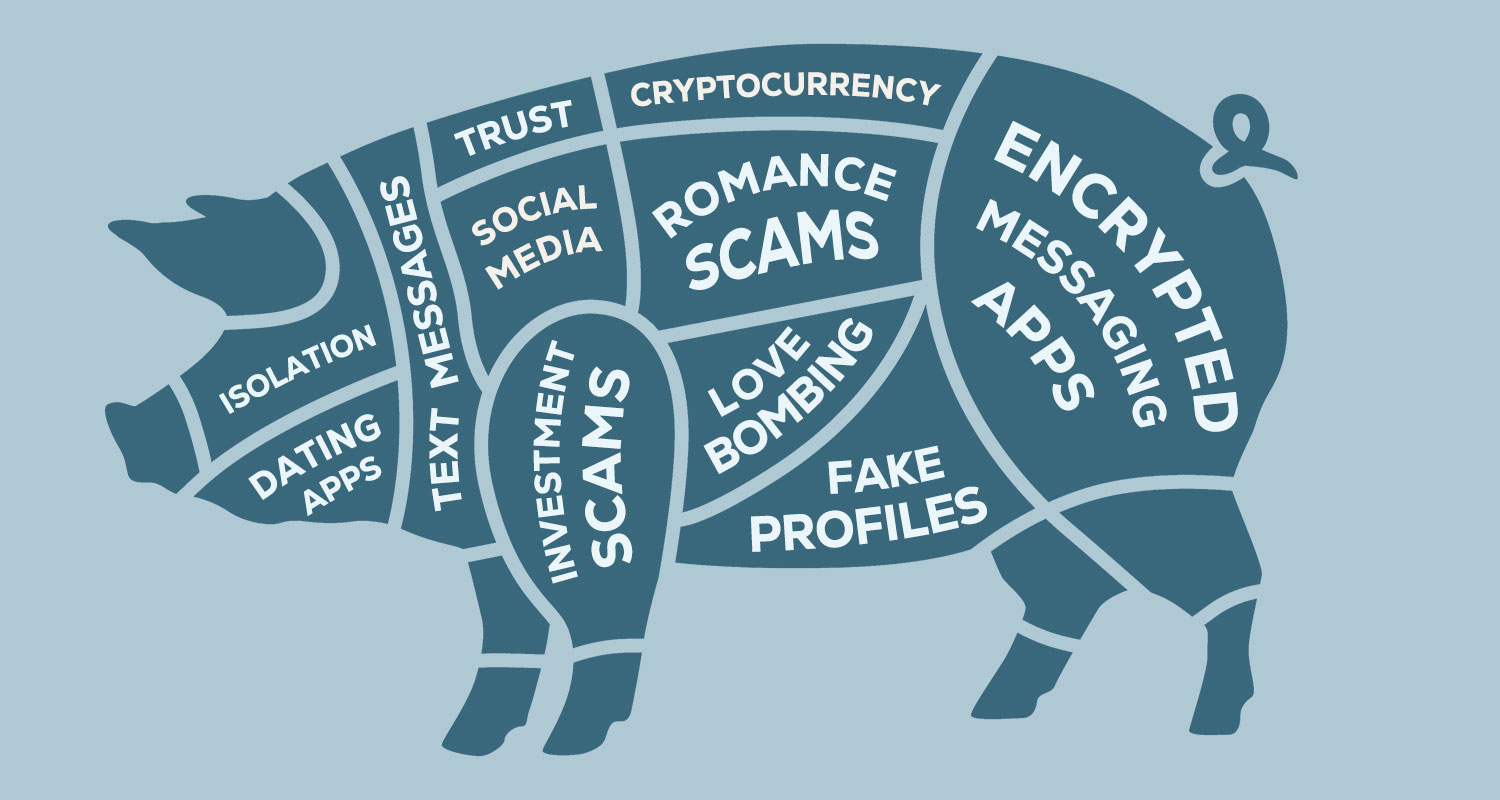
An investment scam that is increasing in frequency is the “pig butchering” scam, where fraudsters work to gain their victims’ trust over time before convincing them to invest in fake cryptocurrency assets or other fraudulent investment opportunities. They are called “pig butchering” scams as a metaphor of the fraudsters “fattening” their victims before exploiting them financially.
The scammer can use a variety of methods to contact victims, from social media profiles and dating apps to unsolicited text messages. Once a connection has been made, they will work to deepen that connection over time before introducing the scam – usually an investment opportunity with cryptocurrency or foreign currency, with promises of profits for the prospective investor.
From there, victims who provide funding for this investment are led to believe they are making incredible returns, with the scammer showing them increasing account valances on purported online statements and investment platforms. This reinforces the trust loop between the victim and the scammer, leading the victim to increase their investment.
However, once the victim tries to withdraw their funds, they find they are either unable to do so, or the scammer asks them to pay fees – and eventually, the scammers cut off contact and keep their victims’ money.
The most important thing to do is to be vigilant about anyone you have recently met. Be aware, be skeptical, and think twice before acting.
Sources:
Pig butchering – how to spot and report the scam https://dfpi.ca.gov/news/insights/pig-butchering-how-to-spot-and-report-the-scam/
Avoid scams: Investment Fraud and Pig Butchering https://www.secretservice.gov/investigations/investmentfraud-pigbutchering
Pig Butchering Scams https://www.rld.nm.gov/securities-division/pig-butchering-scams/
Pig Butchering Scams https://www.fdicoig.gov/pig-butchering-scams
Consumer Alert: Attorney General James Warns New Yorkers About “Pig Butchering” Scams https://ag.ny.gov/press-release/2026/attorney-general-james-warns-new-yorkers-about-pig-butchering-scams

Save 0.50% off our already low auto refinance rates and enjoy 60 days without payments when you apply before May 31, 2026.