Rest Confident, Your Money is Safe and Secure at Kirtland Credit Union, a message from our President & CEO. Learn More
Mobile Check Deposit is Temporarily Unavailable. We apologize for the inconvenience.
All Kirtland CU branches and locations will be closed on Monday, May 25 in observance of Memorial Day.
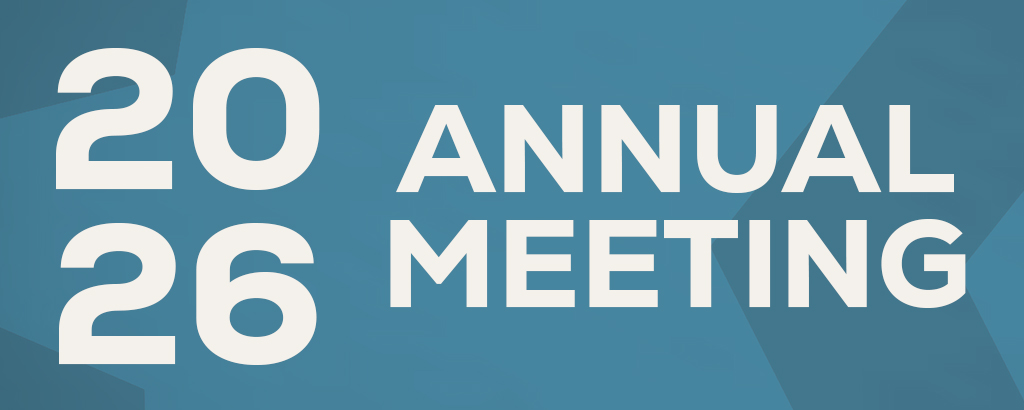
Join us at our 2026 Annual Meeting at our Gibson Operations Center on Tuesday, March 24 at 5:00pm. Click here for event details.
If you may experience financial hardship related to the government shutdown, we’re here to help. Contact us at 1.800.880.5328 for assistance, and click here to see how we are standing with you.
Use caution if you receive a call, email, or text message that appears to be from Kirtland Credit Union. Don’t click on links or call phone numbers in unsolicited messages. Remember: We will NEVER ask for your online banking access codes, credentials or for you to transfer money.
Chat Temporarily Unavailable: We’re currently experiencing issues with our chat service in Digital Banking. For immediate assistance, please call us or visit your nearest branch. We apologize for the inconvenience.
Explore the latest happenings at Kirtland CU and learn about important topics from around the financial world. Here’s your insight! To learn about retirements, investments and financial planning, check out Invested now.
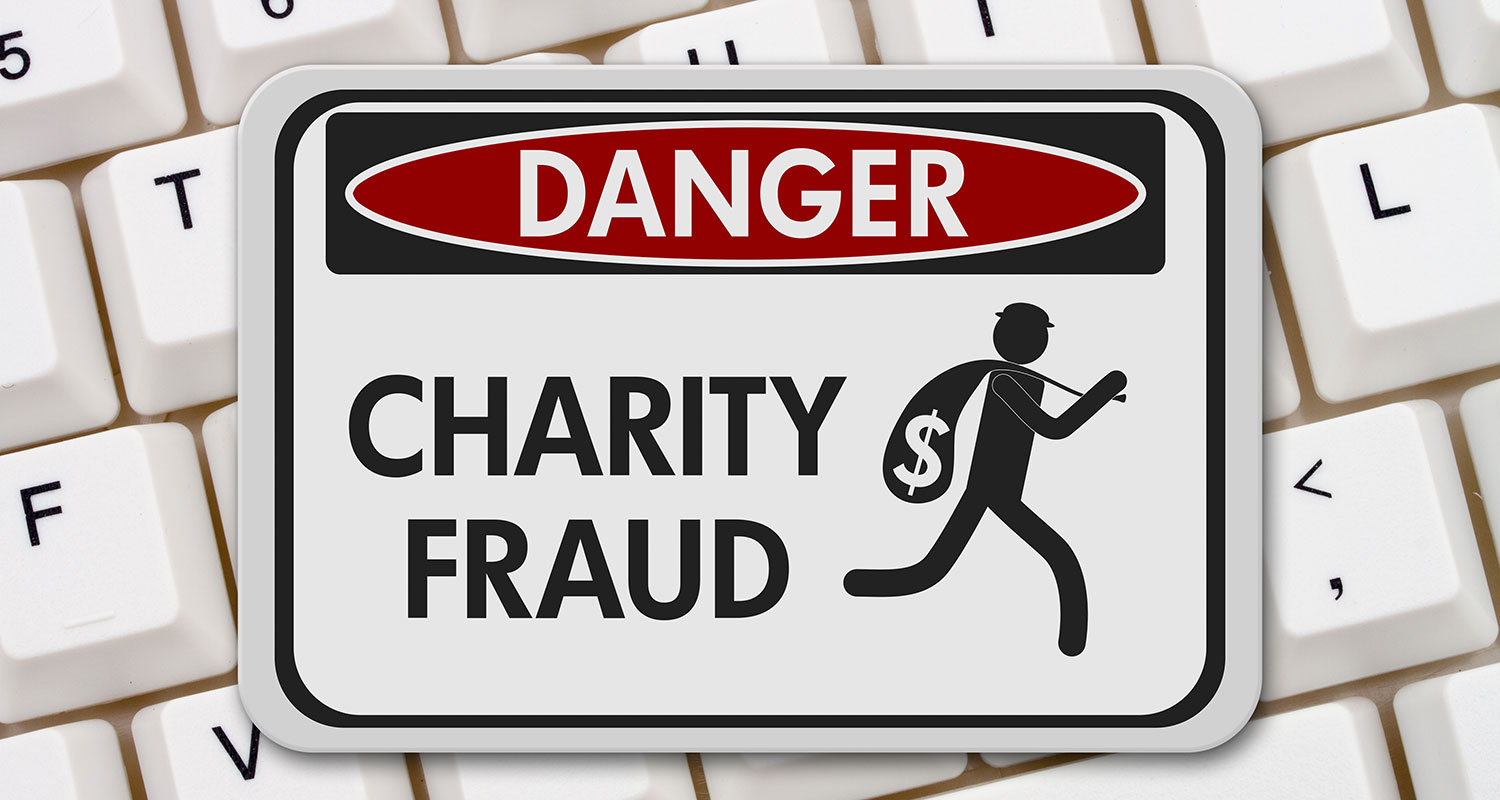
With the holiday season, charitable giving through generosity endeavors like Giving Tuesday and Season of Giving is on the rise – but with the increase in organizations who support charitable causes, there are also scammers and fraudsters who are looking to take advantage of your better nature to get easy money. Before you cut a check or provide your credit card number for charity this December, follow these rules so you can avoid falling victim to holiday charity scams.
Do your research
Research before donating, using resources like Charity Navigator, Charity Watch, and BBB’s Wise Giving Alliance.
Try searching for the name of the charity plus the words “scam” or “fraud” to see if there are any reports online about the charity you’re looking at.
Pay the right way
Donate directly to trusted organizations through their official websites when possible. Avoid clicking on links from social media or emails unless you’re sure they’re legitimate.
Pay by check or credit card – not cash, wire transfers, gift cards or cryptocurrency. Scammers want payments that are difficult to trace or reverse.
Keep records of your donations, and make sure that you haven’t registered for recurring donations if you only want to give once.
Don't fall for tricks
High-pressure tactics and false urgency are hallmarks of fraudsters and scammers. Don’t let anyone rush you into making a decision about a donation – legitimate charities are happy to receive donations at any time and won’t cold-call you to demand payments.
Some fraudulent organizations will use sound-alike or look-alike charity names in an effort to trick you into trusting them with making a donation. Research any organization you intend to donate money towards so you can avoid being fooled.
Scammers can use spoofed caller IDs to make it appear like they are a legitimate business or from a local area code. If you want to donate to a charity by phone, find that charity’s verified phone number and contact them yourself.